Devon Müller · 19 October 2026
Alliances Between Heritage Sites and Manufacturers Advance Craft Integration in European Production Systems
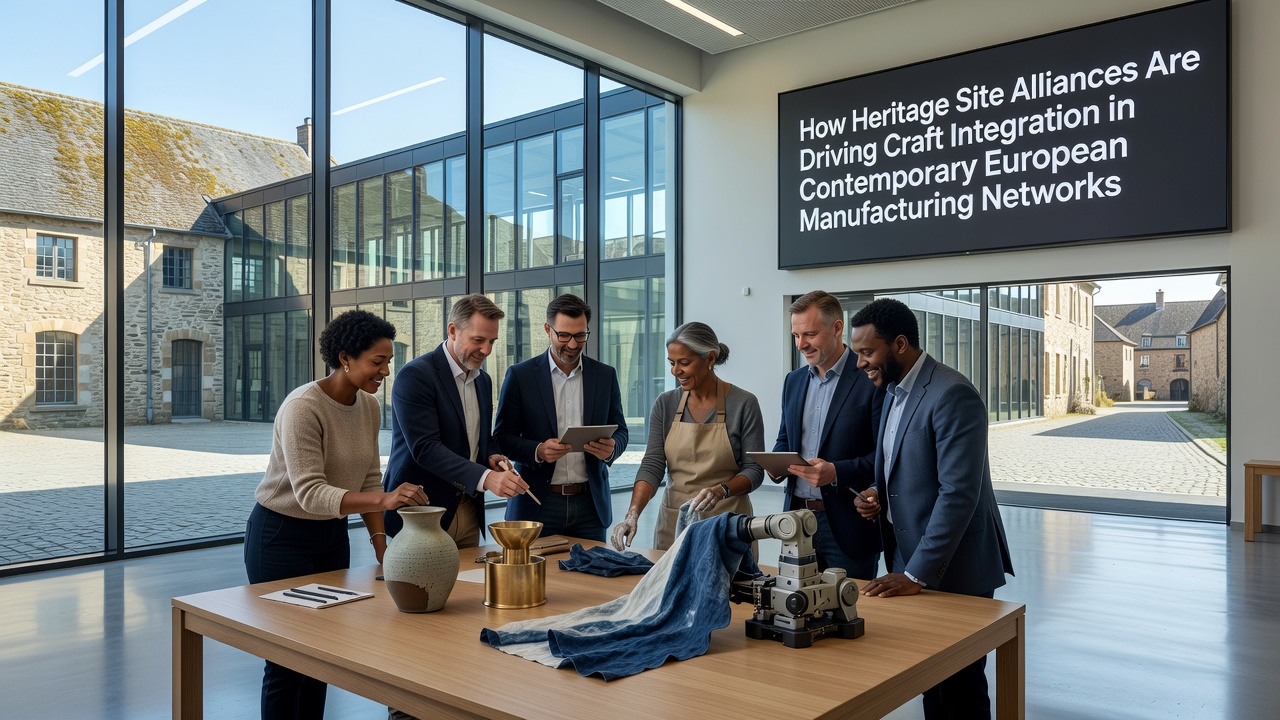
Heritage site alliances across Europe connect historic locations with modern manufacturing operations, and these partnerships channel traditional skills into contemporary production networks while data from regional reports shows increased adoption of handcraft methods in factories since 2023. Researchers at institutions like the European Commission track how sites in France, Germany, and Spain form coalitions that share techniques such as hand-finishing and material sourcing with industrial partners, and this approach supports supply chain adaptations without disrupting automated lines.
Formation of Cross-Border Heritage Networks
Organizations managing sites like medieval workshops in the Rhine Valley and Renaissance-era mills in Catalonia establish formal agreements with manufacturers, whereas these pacts often begin through joint workshops that map local craft knowledge onto factory processes, and figures from the EU Cultural Heritage Fund indicate over 150 such alliances operated by mid-2025. Manufacturers in automotive and furniture sectors incorporate these inputs to refine assembly methods, yet the alliances emphasize measurable outcomes like reduced material waste tracked through standardized audits.
Integration Mechanisms in Practice
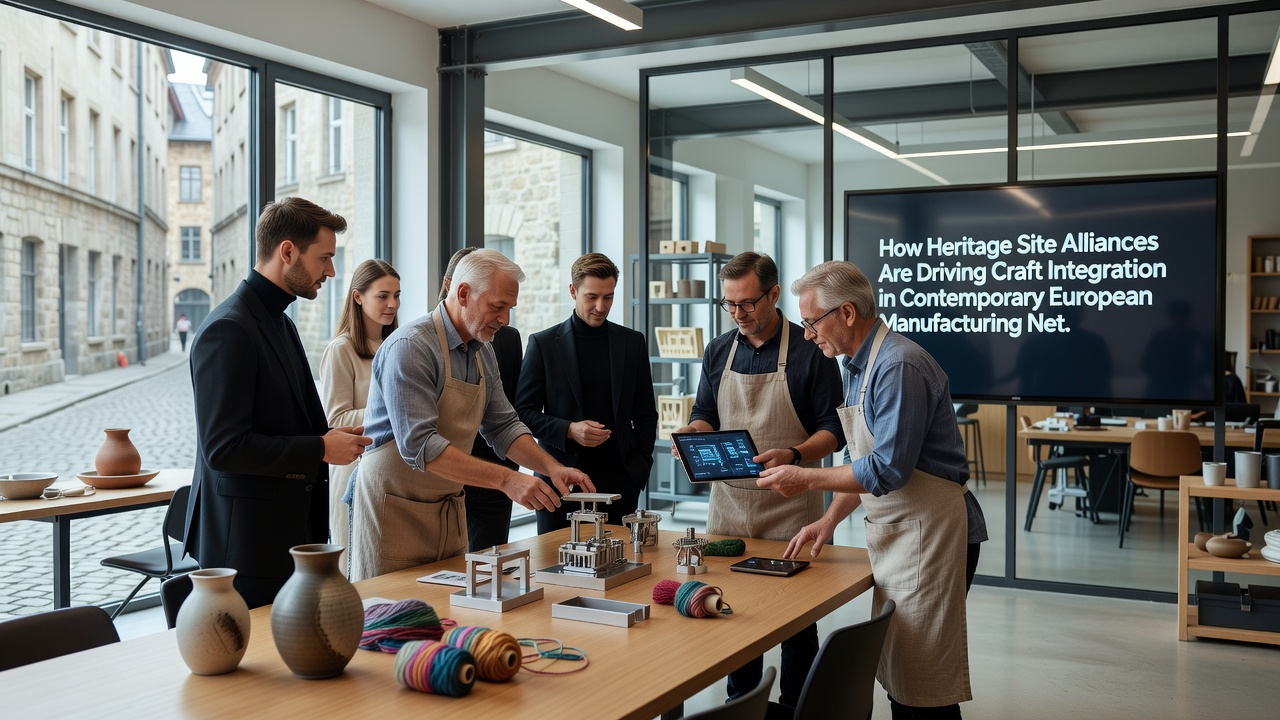
Teams from heritage organizations train factory staff on techniques including stone carving adaptations for metal components and textile weaving patterns applied to composite materials, while studies from the University of Melbourne's design research division document parallel programs in Australia that influence European models through shared publications. Production networks gain flexibility when these methods integrate at the design stage, and observers note that facilities in northern Italy and southern Germany report smoother transitions to hybrid workflows as a result.
Regional Data and Expansion Trends
Reports compiled by the European Commission reveal that craft integration projects linked to heritage alliances grew by 22 percent between 2024 and 2025, and this expansion covers sectors from precision engineering to consumer goods where traditional finishing steps now occur alongside robotic assembly. In October 2026 several coalitions plan to launch digital platforms that connect additional sites in Portugal and Poland with manufacturers, allowing real-time sharing of process data while maintaining compliance with heritage preservation standards.
Supply networks benefit when heritage alliances introduce localized sourcing strategies that complement large-scale procurement, and industry groups such as the Confederation of European Paper Industries have published case examples showing how these connections stabilize raw material flows. Data indicates that participating manufacturers achieve consistent quality metrics because craft oversight catches variations that automated systems overlook during initial runs.
Challenges Addressed Through Structured Partnerships
Logistical hurdles arise when aligning heritage site schedules with factory timelines, yet alliances mitigate this through rotating expert exchanges and shared training calendars, and government assessments from Canadian heritage agencies highlight similar coordination tactics applied in cross-Atlantic knowledge exchanges. Funding streams from EU programs support these efforts, and they cover equipment modifications that let factories adopt craft elements without full retooling.
Measurement of Network Outcomes
Performance indicators tracked by participating regions include skill retention rates among younger workers and reductions in defect rates after craft integration phases, whereas longitudinal reviews from academic consortia confirm these patterns hold across multiple manufacturing clusters. Alliances also facilitate certification processes that verify both heritage authenticity and industrial standards, which streamlines export documentation for finished goods.
Conclusion
Heritage site alliances continue to embed craft practices within European manufacturing networks through targeted collaborations that deliver documented efficiency gains and skill preservation, and ongoing initiatives scheduled through 2026 demonstrate sustained momentum across diverse industrial regions. These developments rest on coordinated data collection and cross-sector agreements that maintain focus on verifiable production improvements.