Devon Russell · 2 November 2026
Craftsmanship Meets Commerce: How Artisan Workshops Are Reshaping Production Lines Across Italy's Heritage Regions
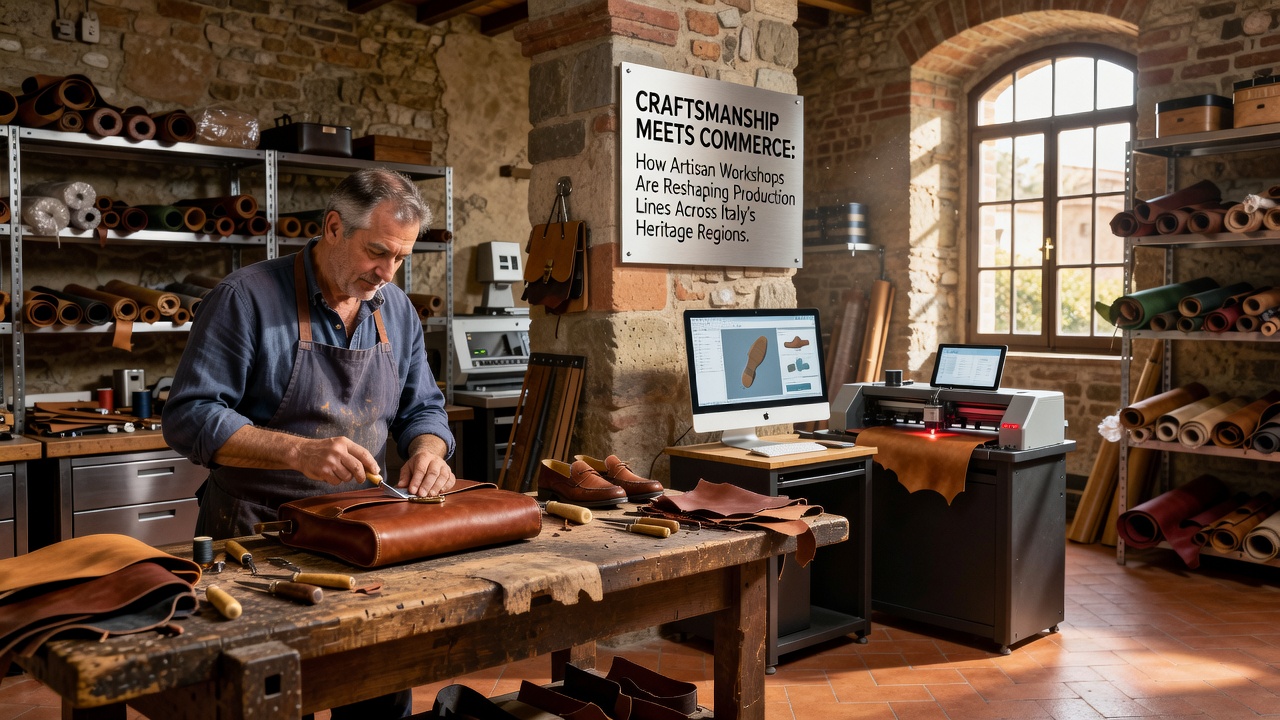
Artisan workshops across Italy's heritage regions have started integrating directly with large-scale manufacturing operations, and this shift brings together centuries-old techniques with contemporary assembly processes in places like Tuscany, Veneto, and Emilia-Romagna. Production lines now incorporate hand-finishing stations and small-batch customization modules that draw on local craft knowledge, while manufacturers adjust machinery settings based on input from skilled artisans who once operated independently.
Regional Workshops Adapt Manufacturing Protocols
Tuscan leather artisans have joined forces with automotive suppliers to embed precision stitching methods into automated cutting systems, and observers note that these collaborations reduce material waste by aligning tool paths with patterns refined over generations. In November 2026, data released by regional economic agencies showed increased output in mixed-model facilities where workshop teams review digital blueprints before final production runs begin. Veneto glassmakers similarly contribute to precision molding adjustments on factory floors, and research from the University of Padua indicates that such input improves yield rates in high-volume output.
Supply Chain Adjustments in Heritage Areas
Factories in Umbria and Marche have reconfigured conveyor layouts to include dedicated zones for ceramic component assembly, where artisans apply glazes and fire pieces using methods preserved since the Renaissance. These zones sit alongside robotic arms that handle initial forming, and the combination allows manufacturers to meet both mass-market and limited-edition orders without separate facilities. European Commission reports on cultural heritage integration document how these hybrid lines maintain traceability from raw material sourcing through final inspection, and figures reveal consistent compliance with EU sustainability benchmarks.
Training programs now run on-site, adn participants learn to calibrate modern equipment using metrics developed in traditional workshops. One study from the Politecnico di Milano tracked how such programs cut downtime during changeovers by teaching operators to recognize subtle variations in material behavior that sensors sometimes overlook.
Technology Integration With Craft Knowledge
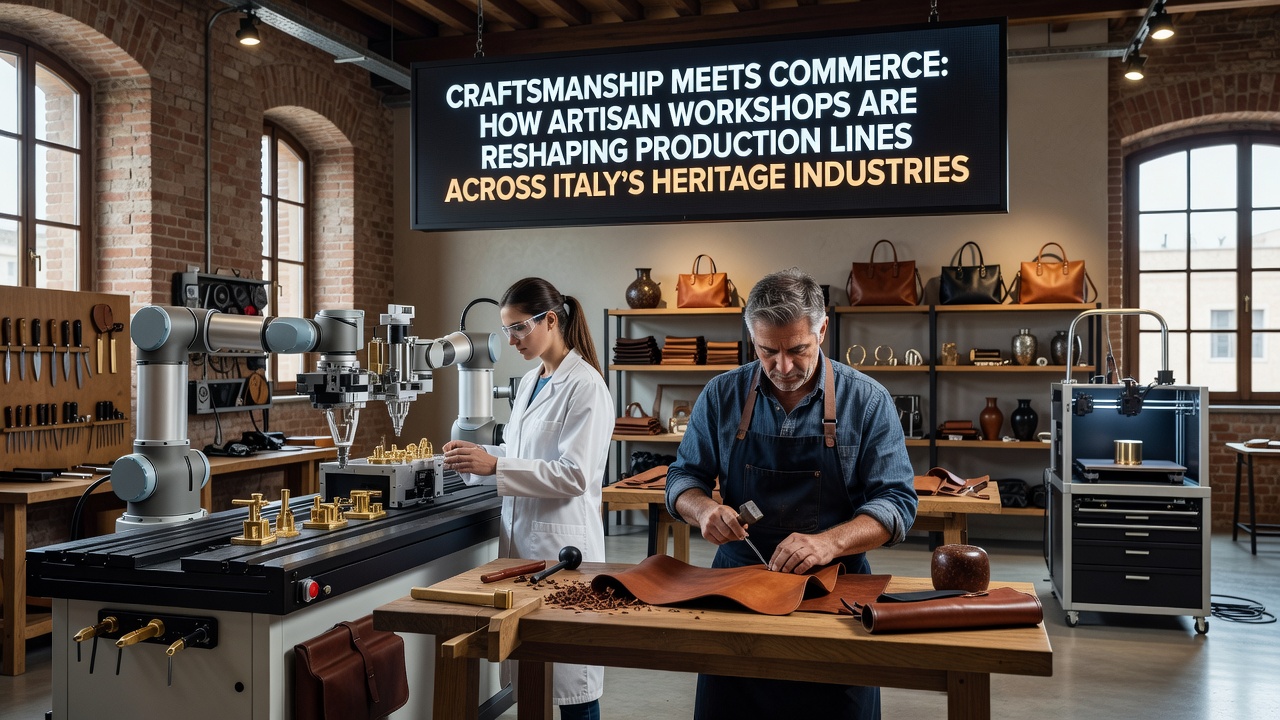
Digital modeling software receives feedback loops from artisans who adjust parameters based on tactile assessments during early prototypes, and this process has spread to furniture manufacturers in Brianza. Data from the Italian Ministry of Enterprises and Made in Italy shows that facilities adopting these loops reported measurable gains in defect detection before full runs commence. Workshops supply pattern libraries that inform algorithmic nesting on CNC routers, and the result connects historical motifs with efficient material use on contemporary lines.
Logistics partners have updated routing software to accommodate variable batch sizes that originate from workshop schedules, and this flexibility supports seasonal collections without disrupting baseline production. Those who have examined the updated systems point to reduced energy consumption during idle periods, since machines shift between high-volume and craft-augmented modes more smoothly.
Workforce and Infrastructure Developments
Apprenticeship initiatives now place younger workers alongside experienced craftspeople on factory premises, and records from regional chambers of commerce indicate rising enrollment in programs that blend manual skills with digital monitoring tools. Infrastructure upgrades include climate-controlled zones that preserve traditional curing processes within larger industrial buildings, and these modifications allow continuous operation across temperature fluctuations common in northern Italian winters.
Export documentation has incorporated craft certification markers alongside standard quality seals, and this dual labeling appears on shipments destined for markets that value both scale and provenance. Figures compiled by trade associations track steady growth in orders specifying hybrid production methods that originated in heritage workshops.
Conclusion
Heritage regions continue to supply specialized input that shapes how production lines operate at industrial scale, and ongoing adjustments in Tuscany, Veneto, Umbria, and adjacent areas demonstrate measurable alignment between craft precision and commercial throughput. Reports scheduled for release after November 2026 are expected to provide further metrics on these evolving arrangements across Italian manufacturing districts.