Devon Müller · 21 September 2026
Pairing Artisans with Manufacturers Through Workshops Reveals Effective Waste Reduction Methods in Production
Workshops that connect traditional artisans with contemporary manufacturers have gained traction across Italy and other European production hubs since the mid-2020s, as companies seek practical approaches to minimize material loss during fabrication processes. These sessions focus on adapting age-old methods such as hand-cutting, natural dyeing, and modular assembly to industrial lines, where data from pilot programs show measurable drops in scrap rates. Observers note that the exchanges often center on leather goods, furniture components, and textile elements, sectors where excess trimmings and offcuts represent significant portions of total output.
Core Elements of Artisan-Manufacturer Collaborations
Participants in these workshops typically include master craftspeople from regions like Tuscany and Veneto alongside engineers from larger production facilities. Sessions break down into hands-on segments that demonstrate precise pattern layouts, selective material sourcing, and repair-first protocols that extend component life. Research indicates that incorporating these steps early in design phases can lower overall waste volumes by integrating techniques that once stayed confined to small ateliers. Figures from Italian manufacturing associations reveal that facilities adopting even partial recommendations from such pairings report reductions in discarded raw materials ranging from 15 to 25 percent within the first year of implementation.
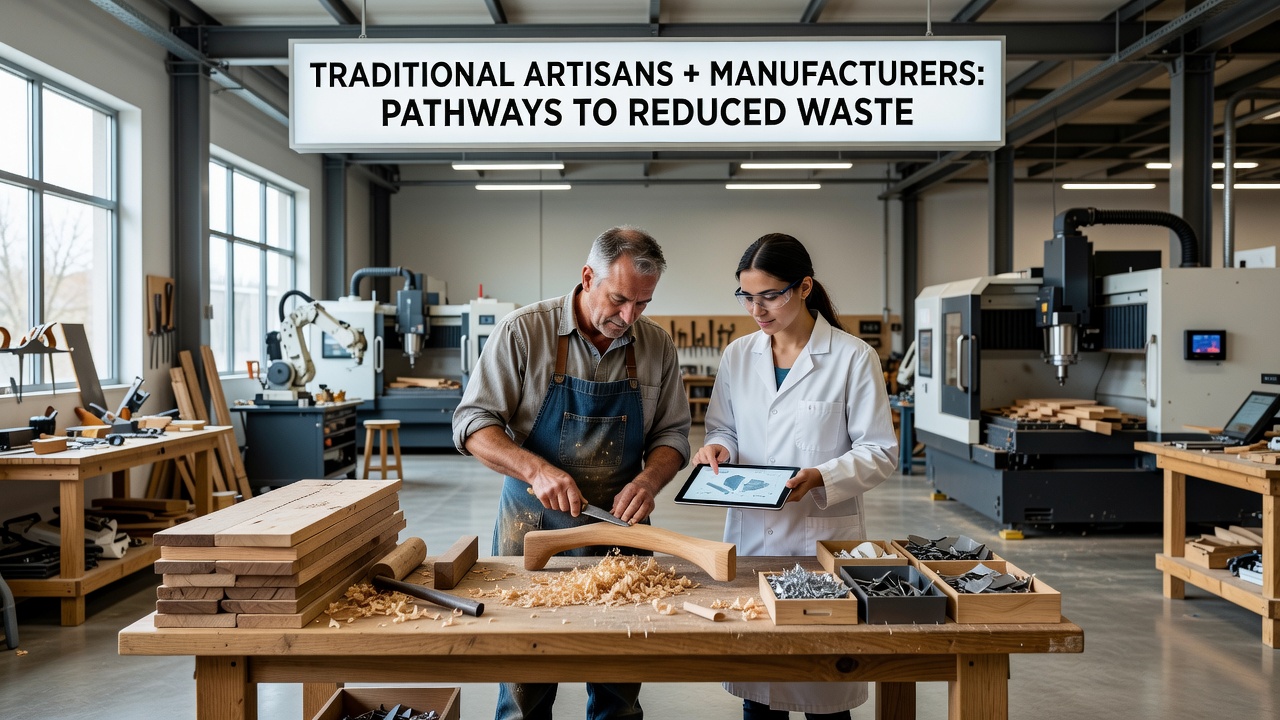
One recurring format involves side-by-side demonstrations where artisans replicate traditional cutting sequences on modern CNC machines, highlighting adjustments that prevent overproduction of prototypes. Manufacturers then test these sequences at scale, tracking metrics through digital inventory systems. This exchange creates direct pathways for scaling precision without increasing energy consumption or requiring new equipment investments.
Documented Outcomes Across Production Sectors
Case records from 2025 workshops in Milan and Florence document shifts in furniture manufacturing lines, where pairing upholsterers with assembly teams led to redesigned cushion patterns that utilize remnant fabrics rather than virgin rolls. Similar efforts in leather production showed how edge-trimming methods borrowed from saddle-making reduce hide waste during high-volume runs. Data compiled by regional trade groups confirm these changes maintain product durability standards while cutting landfill contributions from production sites.
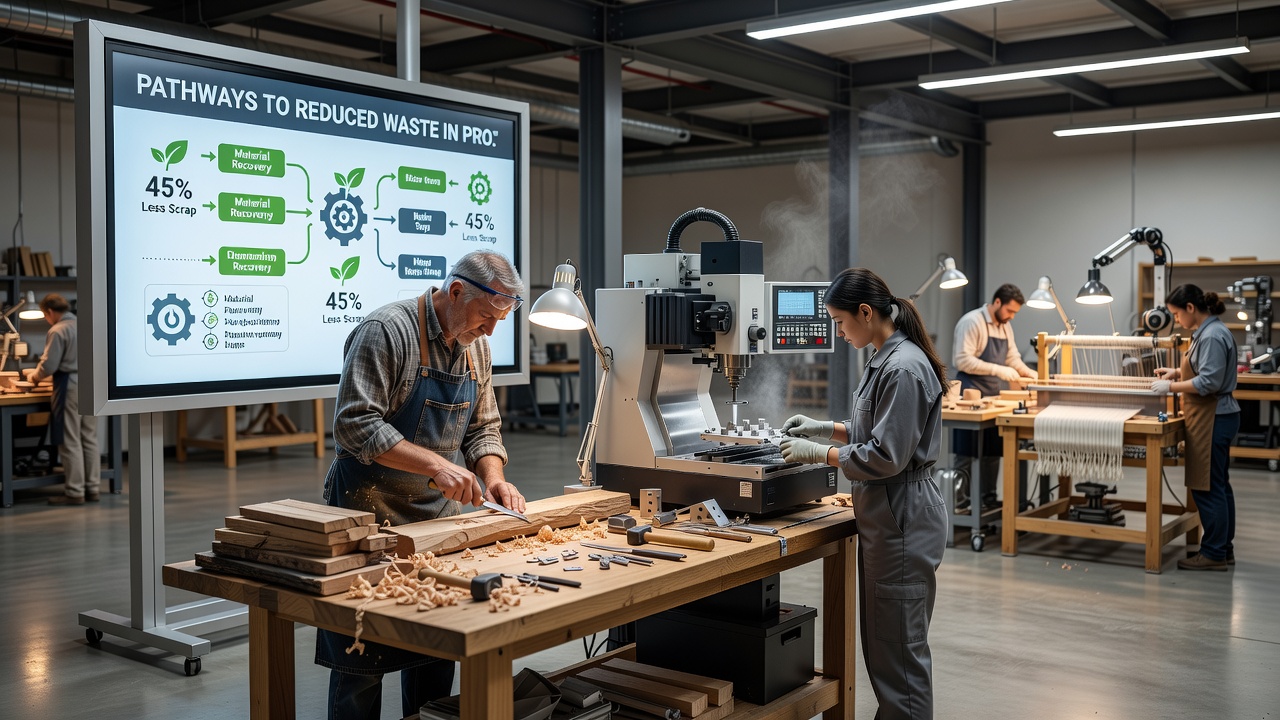
Additional programs scheduled for September 2026 in Bologna will expand the model to include ceramic and metalwork artisans, targeting sectors where kiln waste and metal shavings accumulate rapidly. Organizers plan to incorporate input from supply-chain analysts who map material flows from farm to finished item, allowing participants to identify intervention points before waste generation peaks.
Supporting Frameworks and Measurement Approaches
European Union reports on circular production practices provide benchmarks that many workshops reference when setting targets for waste diversion. Participants cross-reference these benchmarks with internal audits that quantify pre- and post-workshop scrap volumes. European Commission circular economy resources outline standardized tracking methods that align with the hands-on adjustments demonstrated during artisan sessions. Meanwhile, studies from North American research institutions examine parallel models in furniture and apparel, offering comparative datasets that highlight regional variations in material recovery rates.
Training modules within the workshops emphasize documentation of each technique so that manufacturers can replicate outcomes across multiple shifts. This emphasis on transferability ensures that gains in waste reduction do not depend on the continued presence of individual artisans after initial sessions conclude.
Expansion Trends Leading Into 2026
Industry observers report growing interest from mid-sized manufacturers who previously viewed artisan methods as incompatible with volume requirements. Recent pairings have incorporated digital scanning tools that capture traditional layouts and convert them into machine instructions, bridging the gap between manual precision and automated throughput. Reports scheduled for release in September 2026 are expected to aggregate results from at least twelve new workshop series across Italy, providing updated statistics on material savings and production cycle efficiencies.
Supply-chain partners, including raw material suppliers, have begun attending select sessions to adjust grading standards in ways that accommodate remnant utilization downstream. This upstream involvement extends the reach of waste-reduction strategies beyond the factory floor.
Conclusion
Workshops that systematically pair traditional artisans with manufacturers continue to generate replicable protocols for lowering production waste through adapted craft techniques. Evidence from ongoing programs and scheduled 2026 events demonstrates consistent patterns of material conservation when these collaborations follow structured measurement frameworks. The approach integrates historical knowledge with contemporary manufacturing demands, yielding data-supported pathways that multiple sectors can apply without disrupting established output levels.